
100% left
Faiczak Food & Fitness was preparing to open a new gym built around a simple idea. Anyone, any age, any goal. The challenge was to turn that inclusive approach into an identity that felt welcoming without losing the energy of a fitness brand, then give the owner a way to carry that direction into the physical space and supporting materials himself.
I then reviewed fitness brands across Ontario to understand the visual language already common in the space. Dumbbells, muscular silhouettes and heavy, aggressive typography appeared frequently across the category.

A direct and familiar signal of fitness.

Often tied to performance, strength and intensity.

A common way to make the category feel bold and forceful.
Those cues made the category easy to recognize, but they did not feel right for a business built around welcoming people regardless of where they were starting from. That pushed me toward a different balance of energy and approachability rather than relying on familiar fitness symbols.
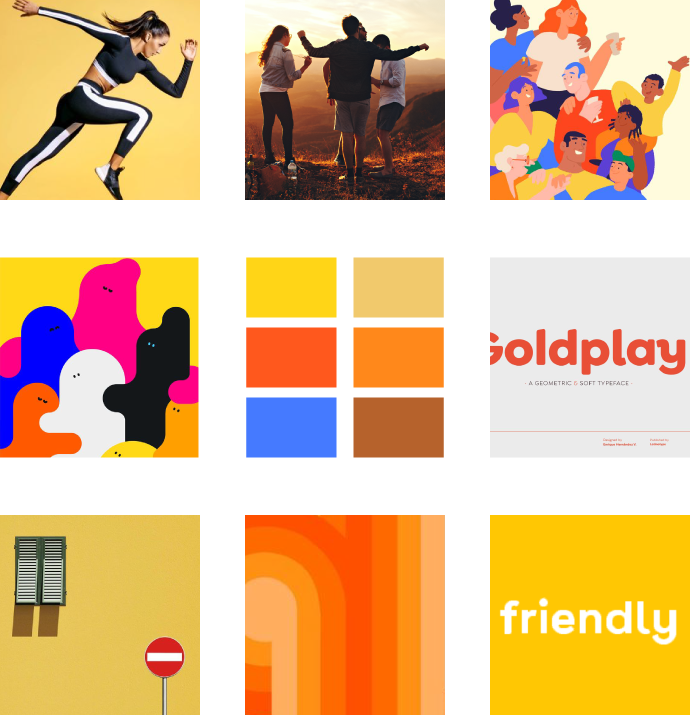
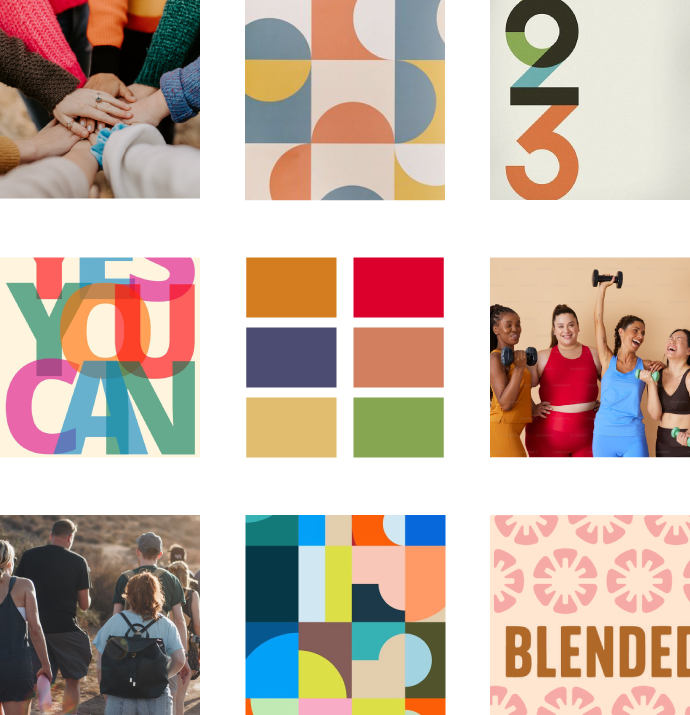
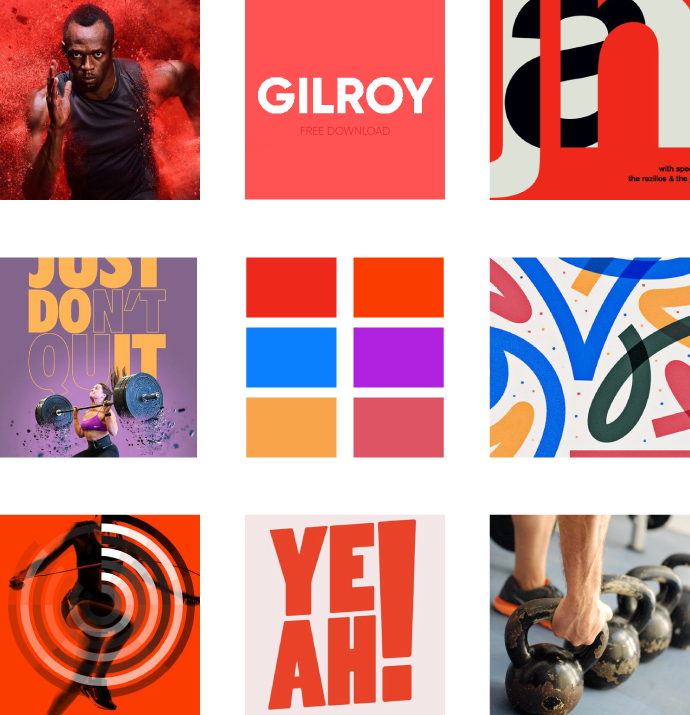
I created three moodboard directions to test different sides of the personality we had discussed rather than blending everything into one safe direction from the beginning.
The first explored warmth, personality and energy without leaning heavily on familiar fitness cues. The second focused more on community, connection and shared progress. The third tested a bolder and more intense direction.
The owner responded most strongly to the first direction, but felt that it was missing some of the sense of community he wanted the business to have. That feedback helped me understand what to keep and what needed to change.
I carried the warmth and energy of the first board forward while bringing in the stronger sense of connection from the second. That combination gave me a clearer direction for the logo exploration that followed.
Rather than relying on obvious fitness symbols, I looked for visual ideas in the things that happen around a gym. I drew from body movement, forms found in the environment and interactions between people, then explored how those references could be simplified into more abstract marks.
The goal was to keep the movement and energy expected from a fitness brand without making the identity feel intimidating or narrowly focused on performance. Keeping “Anyone, any age, any goal” in mind, I also wanted the concepts to stay rooted in people and connection.

This direction explored simple rounded forms drawn from fitness, food and people.

Body movement became a starting point for an abstract F.

Energy and connection without literal fitness imagery.
When I shared the direction with the owner, he liked the downward form and felt its shape had a mountain-like quality that reinforced the fitness connection. He also asked what the same idea might look like with the F pointing upward, so I explored that alternative as part of the process. We ultimately moved away from the upward-facing version, but the exploration showed how even a small change in orientation could shift the movement and character of the mark.
The selected mark brought together the idea at the center of Faiczak’s business, food and fitness working together to help people move toward their goals. The two interlocking forms can be read as steps, giving the mark a sense of progress while connecting both sides of the business in a single symbol.
The overall silhouette can also suggest a mountain, adding another association with challenge and forward movement without relying on a literal fitness icon.
The geometry came from earlier explorations of body movement, giving the mark energy while keeping the form simple and abstract. This was the direction the owner responded to most strongly, and it felt like the clearest expression of the idea we had kept returning to from the beginning, “Anyone, any age, any goal.”
.svg)
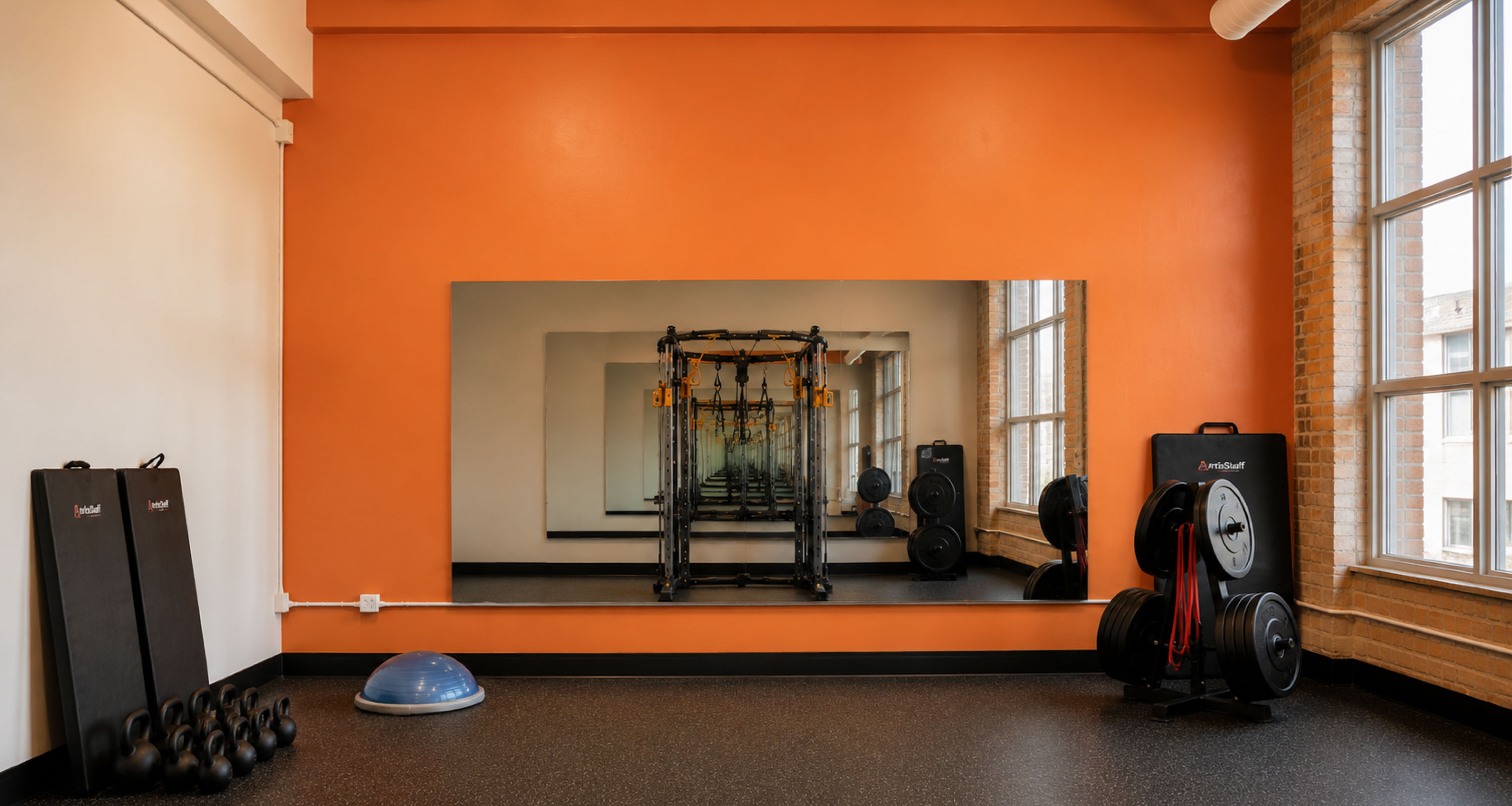
The identity was being developed while the gym itself was still taking shape, so the work did not end once the logo was approved. The palette began influencing interior colour choices and signage, carrying the visual direction into the space people would actually experience.
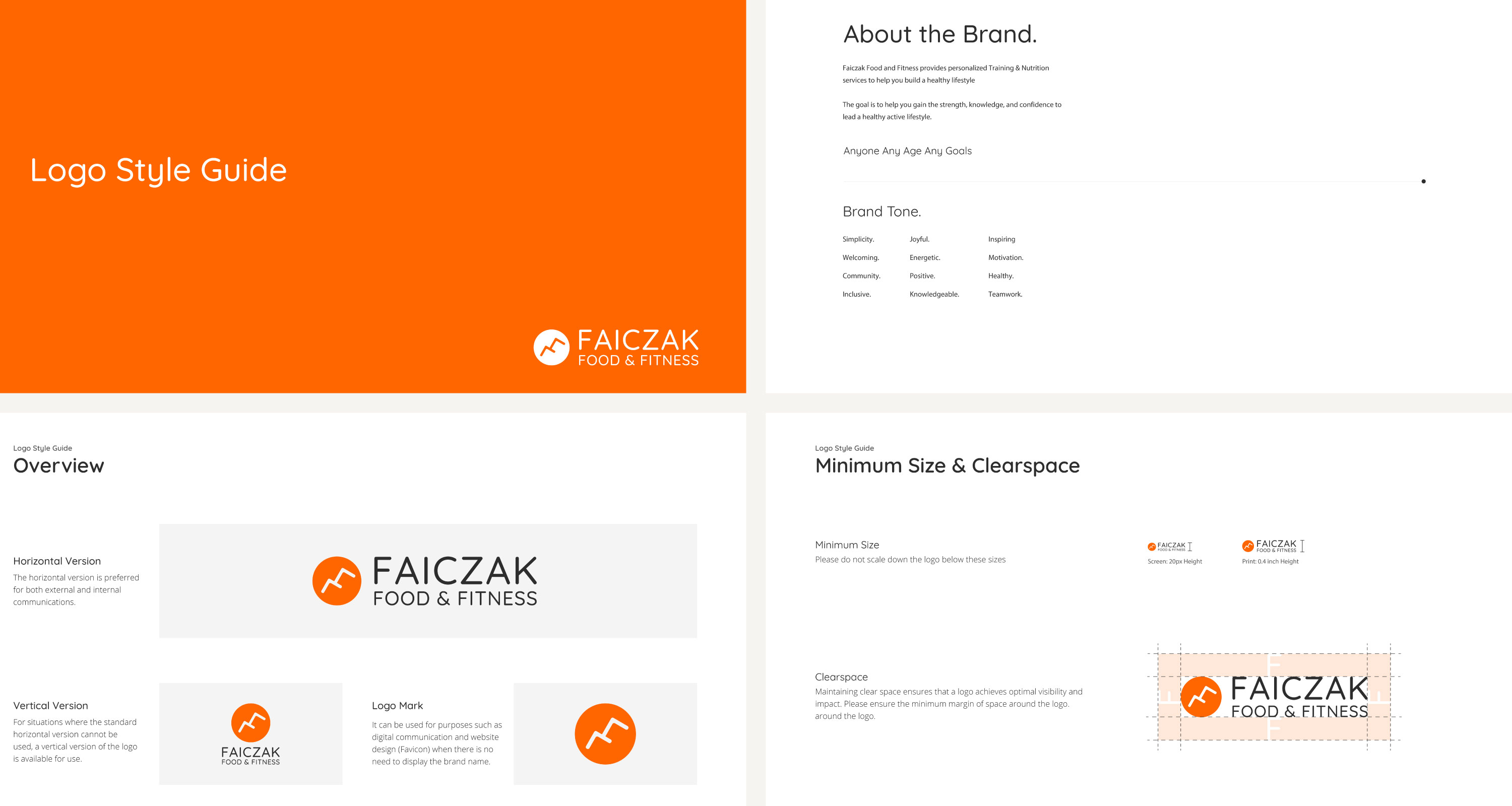
To help keep the logo consistent after handoff, I created a simple logo style guide covering preferred logo versions, minimum size, clearspace and use across different backgrounds.
Guidance for logo versions, clearspace, minimum size and use across different backgrounds.
The owner used the guidelines to choose the gym’s interior paint colours.
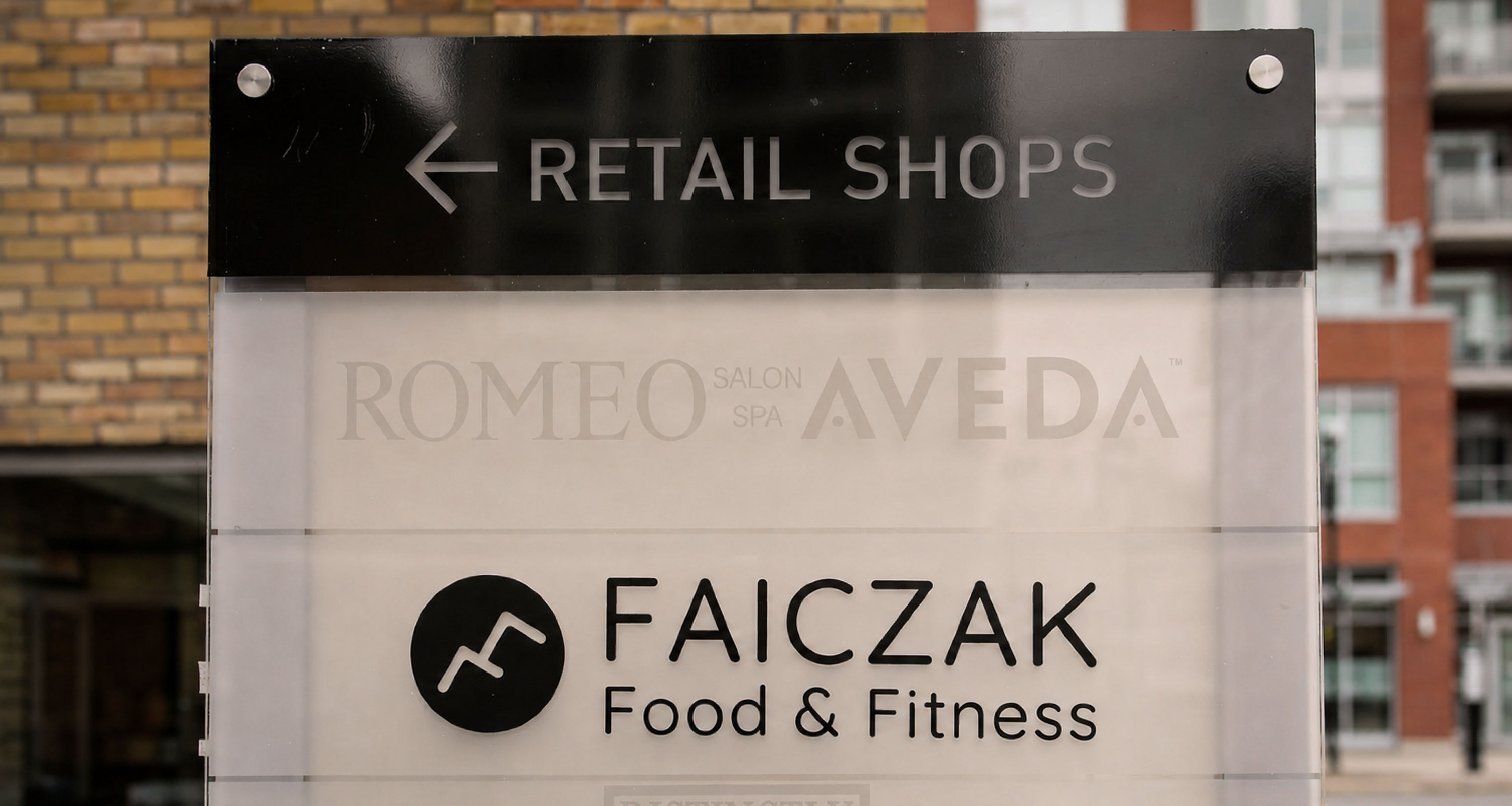
The identity was carried into the building signage and shared retail space.
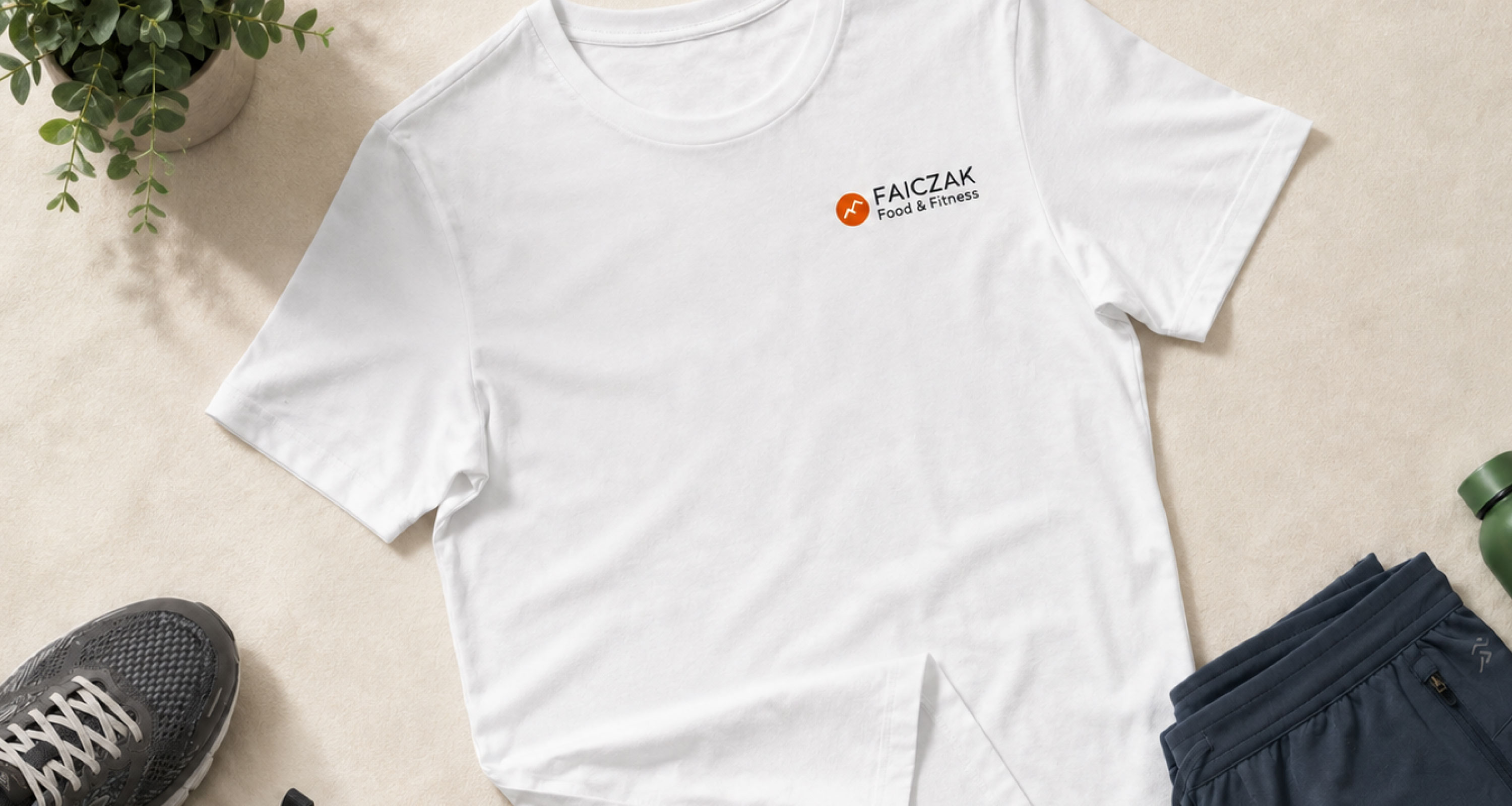
The logo also worked at a smaller scale on apparel.

.svg)
.svg)